 Top 50 Travel channels in United States
Travel on YouTube splits into two formats. Destination videos (city guides, country overviews, hotel reviews) earn through search: viewers planning a trip find the video and watch through. Trip vlogs earn through follow: viewers keep up with a creator across countries and cultures.
The United States is YouTube's largest single market by advertising spend. Channels with US-heavy audiences earn the platform's highest effective RPMs because brand demand from US advertisers (finance, tech, software, healthcare, automotive) outbids almost every other geography per impression.
The leaderboard
36 channels



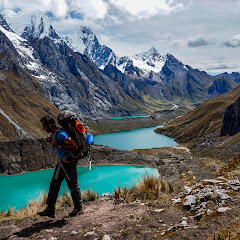



























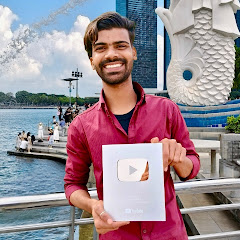



The travel channels winning in United States.
Long-tail SEO is enormous: destination guide videos can earn for 5+ years.
Tourism-board and hotel sponsorships are the dominant revenue line for top channels.
Highest RPMs on the platform: US-heavy channels routinely earn 4–6x the global YouTube average.
Sponsorship demand exceeds inventory: top US channels turn down brand deals weekly.
Competing in United States travel? Audit your channel first.
Get a free AI audit benchmarked against the top travel performers in your country. See exactly which titles, thumbnails, and posting habits are leaving growth on the table.
Get my free audit →Free forever plan · no card · 3 audits per month
Travel in United States, answered.
Real questions about how the travel niche operates inside the United States market. Still curious? Get in touch.
Income usually catches up before the bills do, but in different proportions. Tourism boards and hotels often comp travel for established channels in exchange for coverage. Brand sponsorships from luggage, camera, credit-card and travel-app companies fund flights and gear. AdSense from long-tail destination videos covers ongoing costs. New travel YouTubers typically self-fund their first 12–18 months of trips before brand revenue starts to cover travel.
Destination videos for SEO and long-tail income; vlogs for audience-building. Most successful travel channels run both, weighted heavier towards destination content in the first 18 months (when audience is small and SEO is the main growth lever) and shifting towards vlog content as the audience grows large enough that follower-driven views start to dominate.
Yes, but usually not until you have meaningful audience size (50K+ subs typically). Compensation can include flights, hotels, comped activities, and a flat fee for each video. Smaller channels can often negotiate trip-comping in exchange for coverage even before tourism boards start paying cash. The trade-off: sponsored content has to be disclosed, which can affect viewer trust if not handled well.
Three reasons. (1) US ad spend per capita is the highest in the world, so the same view from a US viewer triggers a higher CPM than any other country. (2) The categories US viewers watch most (finance, tech, software, automotive, health) all map to high-CPM advertiser inventory. (3) The brand-deal economy is most mature in the US: established creator-marketplace networks and direct sponsorships add a 2-4x revenue multiplier on top of AdSense for established channels.
RPMs in the US average $4-$12 per 1,000 views across categories, with finance and tech channels often clearing $20-$50. International channels with US-heavy audiences earn close to the same rates. The same content uploaded to a channel with a tier-3 country audience would earn $0.50-$2 per 1,000 views, a 5-10x gap.



