Every creator starts in the same place: zero views, zero subscribers, and an upload that nobody asked for. The difference between the channels that break through and the ones that stay invisible forever is not talent, equipment, or luck. It is the system.
The creators who grow YouTube channel numbers consistently are not posting and hoping. They are making packaging decisions that earn clicks, retention decisions that satisfy the algorithm, and data decisions that compound over time into predictable, scalable growth. That feedback loop is the entire game, and once you understand it, growth stops feeling random.
This guide breaks down the exact framework behind that loop. From choosing your niche to reading your retention graph, every step is built around one core truth: YouTube is a data-driven search engine first and an entertainment platform second. Treat it that way, and the 2026 YouTube algorithm has no choice but to work in your favor.
Prerequisites: The 'Niche Down' Phase and Competitor Research
Before you record a single video, you need to make one decision that will determine the trajectory of your entire channel: what specific sub-niche you are going to own. Not a broad category like "fitness" or "finance," but a narrow, specific corner of that category that you can dominate with consistency. That specificity is what gives the algorithm enough data to categorize your channel and start matching it to the right audience.
The 50-Video Rule: For your first 50 videos, stay strictly within one sub-niche. Do not pivot until you have a core audience and a clear data profile. Premature pivoting resets the algorithm's understanding of your channel and delays growth significantly.
Competitor research is where the real work starts. Here is how to do it:
- Identify 5 direct competitors in your chosen sub-niche and go to each channel. Sort their videos by 'Most Popular' and study the top 10 results on each channel.
- Analyze the thumbnail style, title structure, and hook format of their highest-performing videos. Look for patterns across multiple channels, not just one. Repeated patterns signal proven demand.
- Use YTGrowth's Competitor Analysis to extract the keyword patterns, title structures, and content gaps behind their top-performing content, then build your first ten video ideas around the opportunities they have missed.
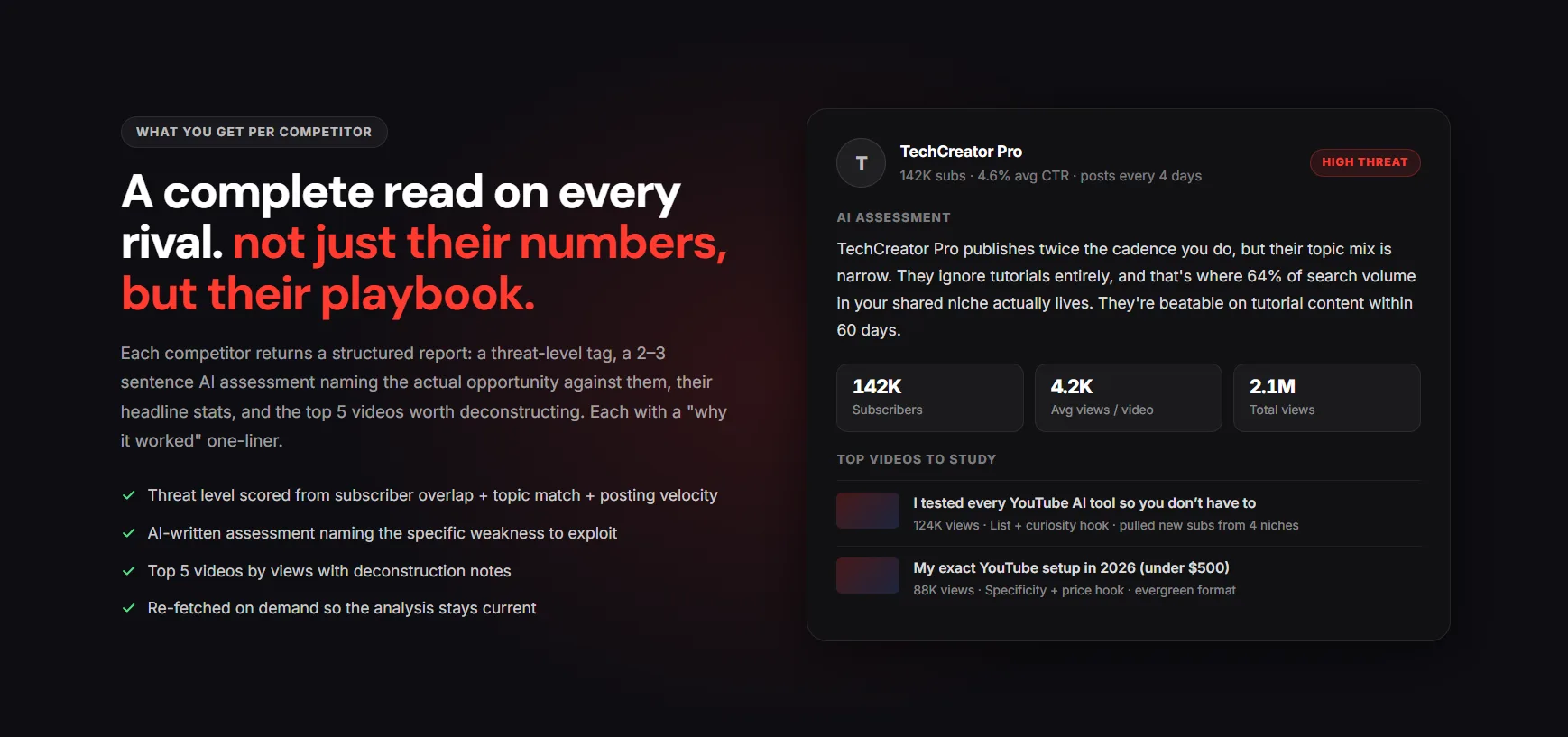
The early phase of YouTube channel growth is unglamorous. You are not creating viral content yet. You are building a data profile that the algorithm can use to find your audience, and that process requires patience and consistency before it produces results.
Step 1: Master the 'Packaging' (SEO & Click-Through Rate)
The best video in your niche is worthless if nobody clicks on it. Packaging is the layer of your content strategy that determines whether a viewer stops scrolling or keeps going, and it is the single highest-leverage area to get right early in your grow YouTube channel journey. Two elements control it entirely: your thumbnail and your title. The YouTube SEO primer covers the metadata foundation those two elements sit on.
Thumbnails: The Rule of Three
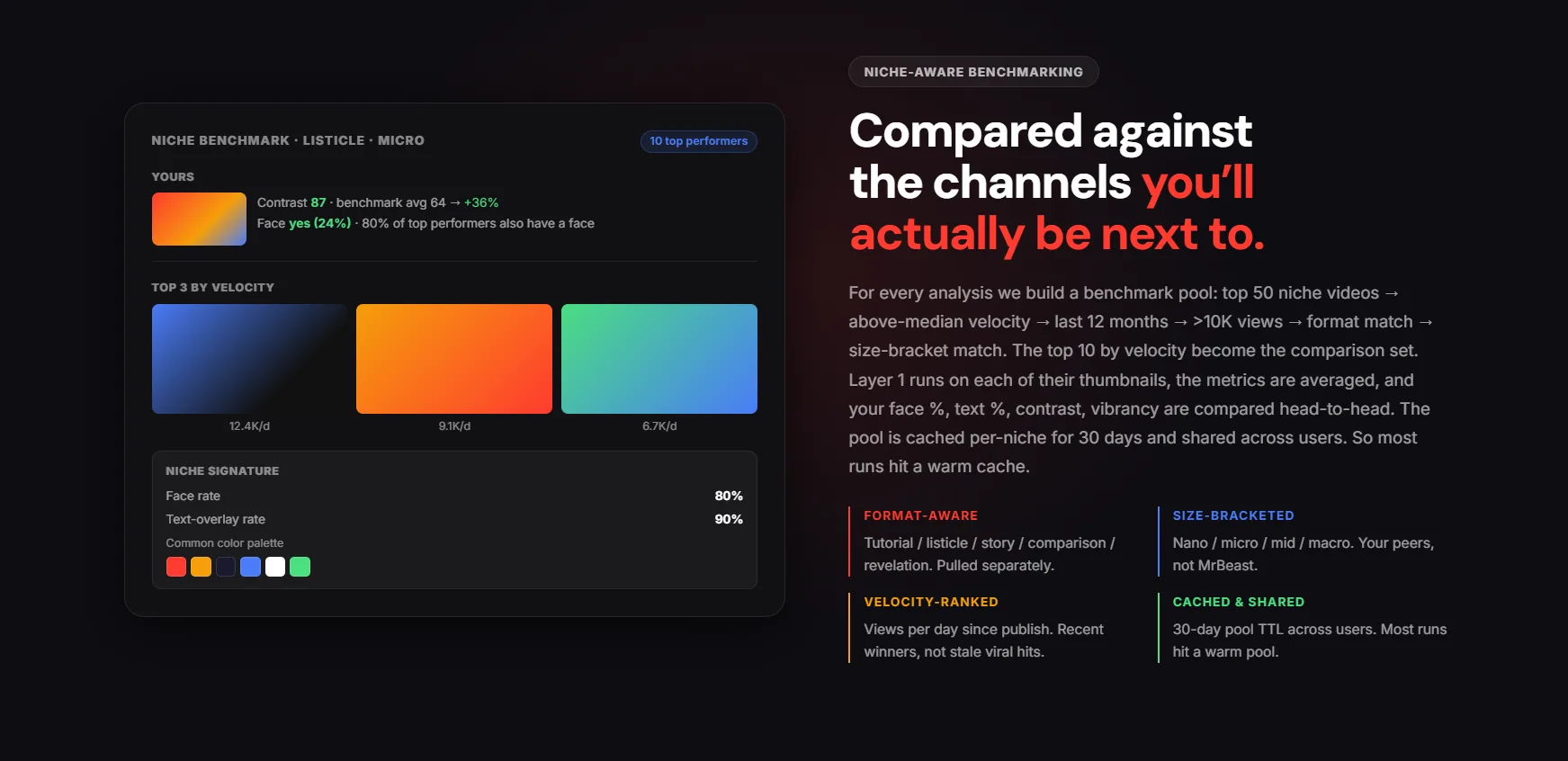
Every high-performing thumbnail on YouTube follows a simple visual framework. Three elements, high contrast, and no more than four words of text. That is it.
- Use one dominant background color that contrasts sharply against YouTube's interface.
- Include three visual elements maximum: a face with a clear emotion, a single prop or visual reference, and a short text overlay.
- Keep text to four words or fewer and test legibility by shrinking the thumbnail to mobile size. If you cannot read it at 120 pixels wide, neither can your viewer.
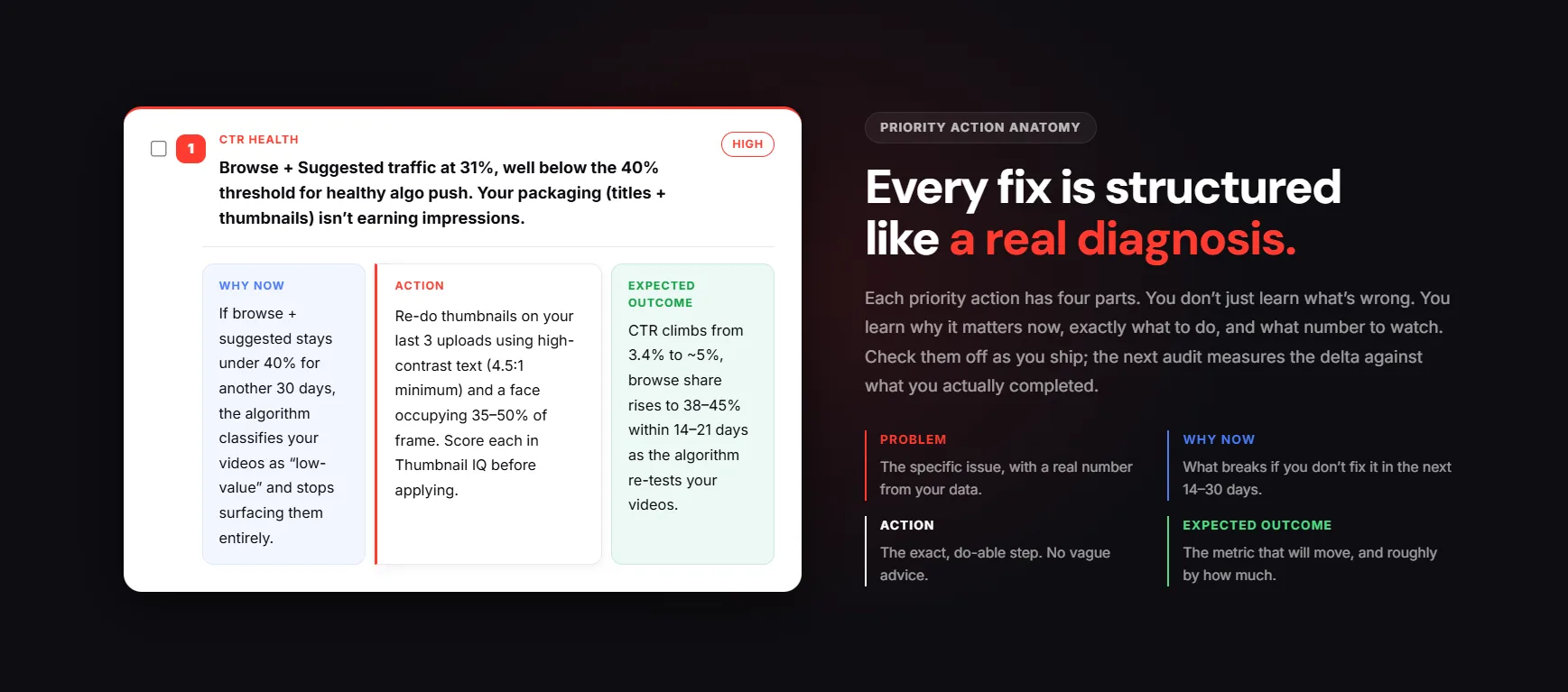
If your Impressions Click-Through Rate is below 4%, change your thumbnail and title immediately. A CTR below that threshold means the packaging is failing before the content ever gets a chance.
Titles: Hook Psychology
Descriptive titles tell viewers what a video is about. Hook titles make them feel like they cannot afford not to watch. The difference between "My Morning Routine" and "Why Your Morning Routine is Keeping You Broke" is the difference between a video that gets ignored and one that earns a click.
Move every title away from description and toward tension, curiosity, or a direct challenge to an assumption your audience already holds. SEO Studio scores every title against the live niche and rewrites it for stronger CTR if you would rather not write five variations by hand.
Description SEO Checklist
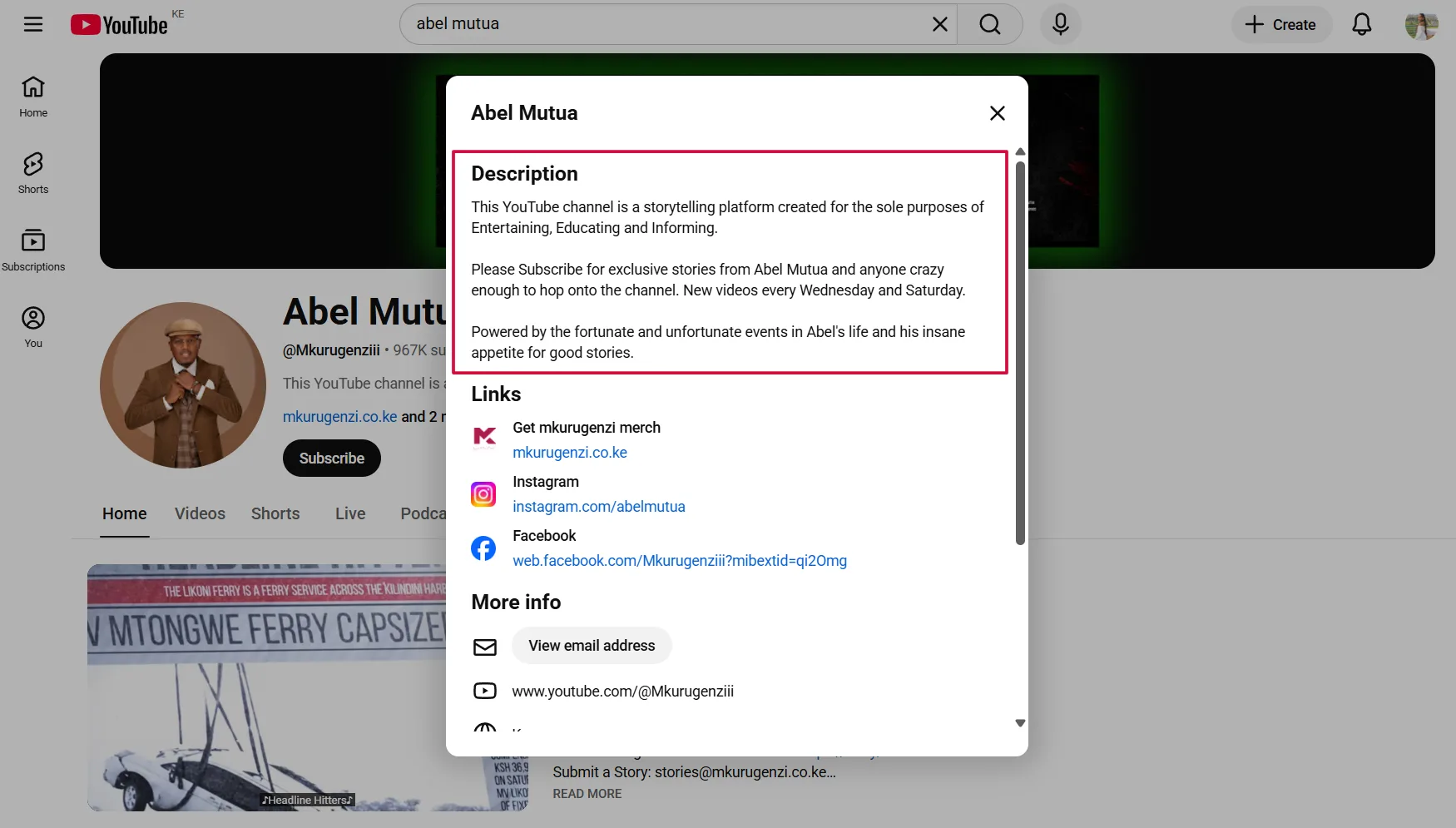
- Place your primary keyword in the first two sentences before the 'Show More' cutoff to help Google index the video correctly.
- Write a minimum of 200 words in the description body using related terms naturally.
- Add timestamps starting at 0:00 to generate Chapter markers in both YouTube and Google Search results, giving your video additional real estate in Key Moments features.
- Link to a relevant playlist in the description to extend session time immediately after the click.
Step 2: The Retention Strategy (Keeping Viewers Watching)
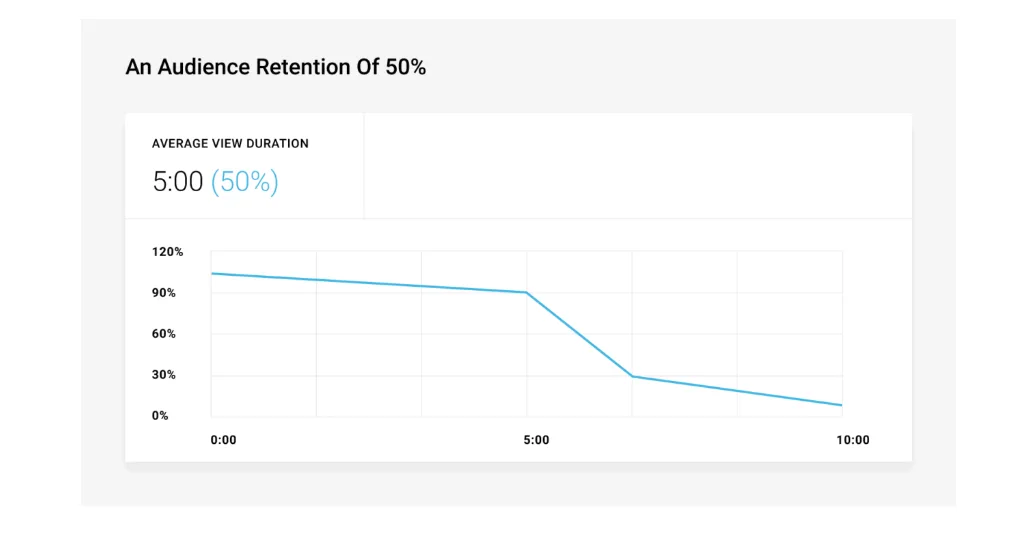
Getting the click is only half the battle. What happens in the seconds and minutes after that click determines whether your video gets buried or promoted. YouTube's algorithm prioritizes Average View Duration above almost every other signal. If people stay, YouTube promotes. If they leave, it stops. Every scripting and editing decision you make should be evaluated against that single principle. The 2026 SEO blueprint covers the specific 50% AVD threshold that flips the algorithm into Suggested distribution.
- The 5-Second Hook. The first five seconds of your video are the most expensive real estate you own on the platform. Do not waste them on "Hey guys, welcome back to my channel." State the value proposition immediately. Tell the viewer exactly what they are about to learn, see, or experience, and make it specific enough that leaving feels like a genuine loss. The hook-writing guide breaks down five formulas that work better than a generic value statement.
- The Open Loop Technique. Within the first thirty seconds, tease a revelation, result, or piece of information that only appears later in the video. "I will show you exactly how I went from zero to 10,000 subscribers, but the method I used in month three is the one nobody talks about, and I am saving it for the end." That unresolved tension keeps viewers watching through sections they might otherwise skip.
Pacing techniques to apply in every video:
- Cut every pause, filler word, and repeated point from your edit. Dead air is the fastest driver of drop-offs.
- Change the visual frame every 5 to 10 seconds using B-roll, zoom cuts, or graphic overlays to maintain visual stimulation without disrupting the narrative.
- Use pattern interrupts at natural attention dip points, typically around the 2-minute and 5-minute marks, to re-engage viewers who are starting to drift.
- Never signal the end of your video before it is over. Phrases like "anyway, that's all I have for today" trigger immediate abandonment.
Never say "Thanks for watching, bye." It signals to viewers that the video is over and triggers a click away before the End Screen even loads. Instead, transition directly into pointing at an End Screen element: "If you want to go deeper on this, that video is right there."
The Anti-Goodbye End Screen is one of the most underleveraged retention tools available to creators who want to get more YouTube subscribers without increasing their upload frequency. Every viewer you keep on your channel for one more video doubles the algorithmic signal that video generates.
Score every thumbnail before it goes liveThumbnail IQ runs face detection, contrast checks, and a vision-model curiosity-gap read against the top videos in your niche. Free to try.Try Thumbnail IQ →Step 3: Leverage YouTube Shorts as a Subscriber Funnel
Shorts are the fastest way to increase subscribers on YouTube right now, but only if you use them as a funnel rather than a standalone content format. The mistake most small channels make is treating Shorts and long-form as separate strategies. They are not. They are two parts of the same growth system, and the ratio between them matters.
| Format | Role | Output |
|---|---|---|
| YouTube Shorts | Discovery and subscriber acquisition | 3 per week |
| Long-form Video | Authority, watch time, and revenue | 1 per week |
The 1:3 Ratio
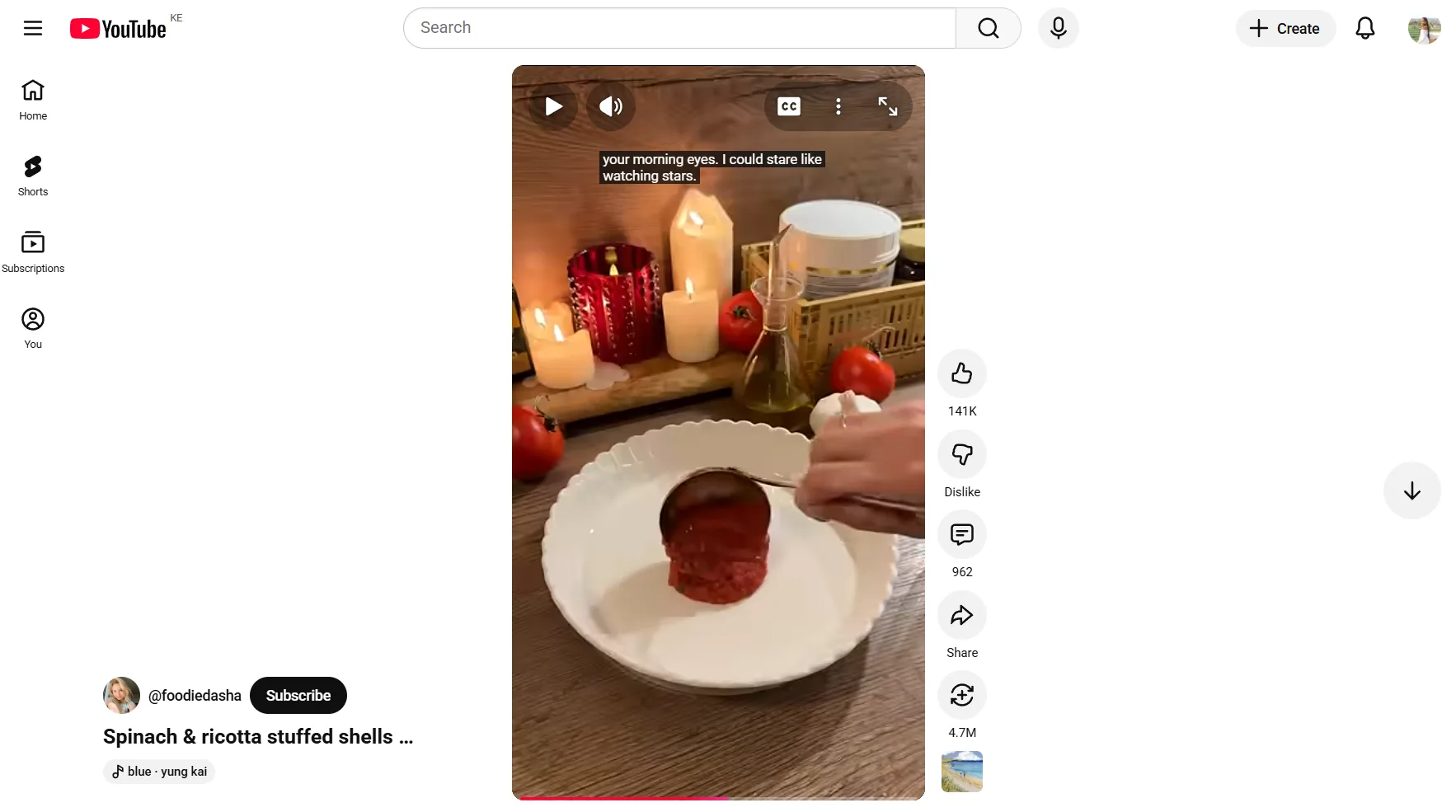
For every one long-form video you publish, publish three Shorts. Shorts get distributed to non-subscribers through the Shorts feed at a scale that long-form videos rarely achieve for new channels. They build your subscriber count faster, give the algorithm more data to work with, and create multiple entry points into your content library every single week. This Shorts-heavy ratio is a launch tactic for the discovery phase, not a permanent mix: once the channel is established, rebalance toward long-form, and the niche-by-niche data on the right long-term split is in the Shorts vs long-form guide.
Shorts are the fastest way to gain subscribers, while long-form builds revenue and authority. The 1:3 ratio keeps both engines running simultaneously.
The Bridge
Every Short you publish should point toward a specific long-form video. Use the description to link directly to the deep-dive version of the topic the Short covers. A viewer who watched a 45-second Short and wants more is already primed to watch a 10-minute video. That transition is where Shorts convert from a discovery tool into a watch time engine.
Vertical SEO
Use one to three specific hashtags per Short, always including #Shorts, to trigger placement on the Shorts shelf in search results. Keep the title keyword-rich and the first line of the description front-loaded with your primary search term. Vertical SEO is lighter than long-form SEO, but it still determines whether your Short surfaces in relevant searches or only in the feed.
Step 4: Data-Driven Optimization (The Weekly Review)
Publishing without reviewing is guessing. Every video you put out generates data that tells you exactly what worked, what failed, and what to do differently next time. The creators who grow YouTube channel numbers consistently are not more talented than the ones who stagnate. They are more systematic about reading their analytics and acting on what they find.
CTR Analysis
What to look for:
- Any video with a CTR below 4% is underperforming at the packaging level.
- Compare CTR across videos to identify which thumbnail styles and title formats earn the most clicks.
How to fix it:
- Test a new thumbnail on any video sitting below 4% CTR. You can update thumbnails without affecting a video's ranking history.
- Rewrite titles using hook psychology rather than descriptive language and measure the CTR change over the following week.
Retention Analysis
What to look for:
- Open the Audience Retention Graph for every video published in the past 30 days and identify the exact timestamps where viewers drop off.
- A sharp drop at the 1-minute mark almost always points to a weak hook or a slow-paced opening section.
How to fix it:
- Rewrite the script structure for your next video based on where the current one lost its audience.
Look for the dips in the Audience Retention Graph. If viewers leave at the 1-minute mark, analyze what caused the loss of interest and restructure that section in your next upload.
Audience Analysis
What to look for:
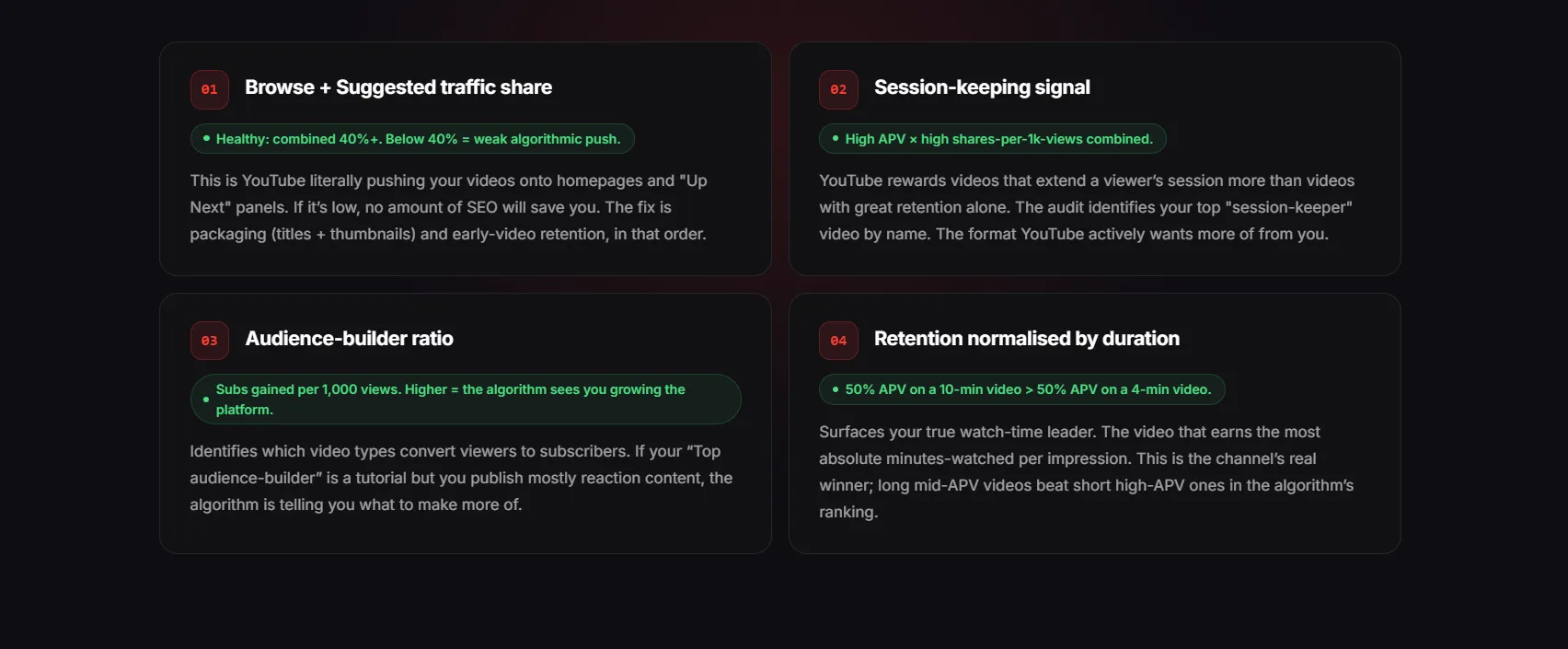
- Monitor the ratio of new to returning viewers. A channel skewing heavily toward returning viewers is not reaching new audiences effectively.
- Check the 'How viewers find your video' report to identify which traffic sources are driving the most watch time, not just views.
How to fix it:
- If new viewer numbers are low, prioritize Shorts and search-optimized titles in your next upload cycle.
- Reply to every comment within the first 24 hours of posting to trigger engagement signals that boost early distribution.
Reply to every comment within the first 24 hours of posting. Early comment activity is one of the clearest engagement signals the algorithm uses to determine whether to expand a video's distribution.
Conclusion: Your Week 1 Action Plan
The Packaging, Retention, and Data loop is the entire system. Get people to click, keep them watching, and use what the analytics tell you to make the next video better than the last. Every creator who has figured out how to grow YouTube channel numbers sustainably is running some version of that loop, whether they call it that or not.
Here is your first week:
- Step 1. Identify 5 direct competitors in your sub-niche and analyze their top 3 videos each. Study the thumbnail style, title structure, and hook format driving their highest view counts.
- Step 2. Create a 'Better Version' of a proven search-based topic in your niche. Do not reinvent the wheel. Find a topic with existing search demand and cover it more thoroughly, more clearly, or from a more specific angle than anyone else has.
- Step 3. Publish 2 Shorts using trending audio to test your reach and begin building the subscriber base that your long-form content will convert.
- Step 4. Commit to the data-driven feedback loop. Check your CTR, retention graph, and audience report after every upload and make one specific adjustment based on what you find before the next video goes live.
Create a 'Reaction' or 'Better Version' of a competitor's top topic to leverage existing search demand. You are not copying. You are entering a conversation that already has an audience.
The best way to promote YouTube channel content is not paid ads or social sharing. It is engineering every upload to perform well enough that the algorithm promotes it for you. That is the only growth strategy with no budget requirement and no expiry date. Start this week, stay consistent, and let the data tell you where to go next.