The question of how to create a YouTube channel and make money has a longer answer than most people expect, and a shorter timeline than most people fear. The gap between those two realities is where channels succeed or fail before they ever reach 1,000 subscribers.
YouTube is a media business platform. Creators who treat it as a personal diary wait months for results that never come. Creators who treat it as a business, built around a specific audience, a high-value niche, and multiple revenue streams, start generating income long before AdSense ever enters the picture.
The difference between both groups is not talent, equipment, or even consistency. It is a strategy, and it starts with the decisions made before the first video is ever filmed.
The YouTube Business Mindset: Why Most Creators Fail
Hobbyist creators upload and hope. Business-minded creators upload and measure. That single distinction explains why two channels in the same niche, with similar production quality and upload frequency, can produce completely different financial outcomes within the same 12-month period.
Business vs. Hobby
A hobbyist creator chases views. A business-minded creator builds an audience around a specific problem, monetizes that audience through multiple revenue streams, and treats every video as a long-term asset generating compounding returns.
The viral dream is the most expensive trap a beginner can fall into. Viral content is unpredictable, unsustainable, and rarely attracts the kind of targeted audience that converts into income. Search-based content, built around what a specific audience is actively looking for, generates traffic for months and years after upload.
The mindset shift required to figure out how to start a YouTube channel and make money is also a patience shift. The Rule of 100 exists for a reason. The algorithm needs data, and data takes time to accumulate. Creators who quit at video 20 because the numbers look discouraging are making a business decision based on incomplete information.
Action: Commit to 100 videos before drawing any conclusions about what is or is not working. By that point, the algorithm has enough signal to start distributing your content meaningfully, and you will have enough experience to produce it efficiently.
Step 1: Choose a High-CPM Niche (The $30 vs. $1 Difference)
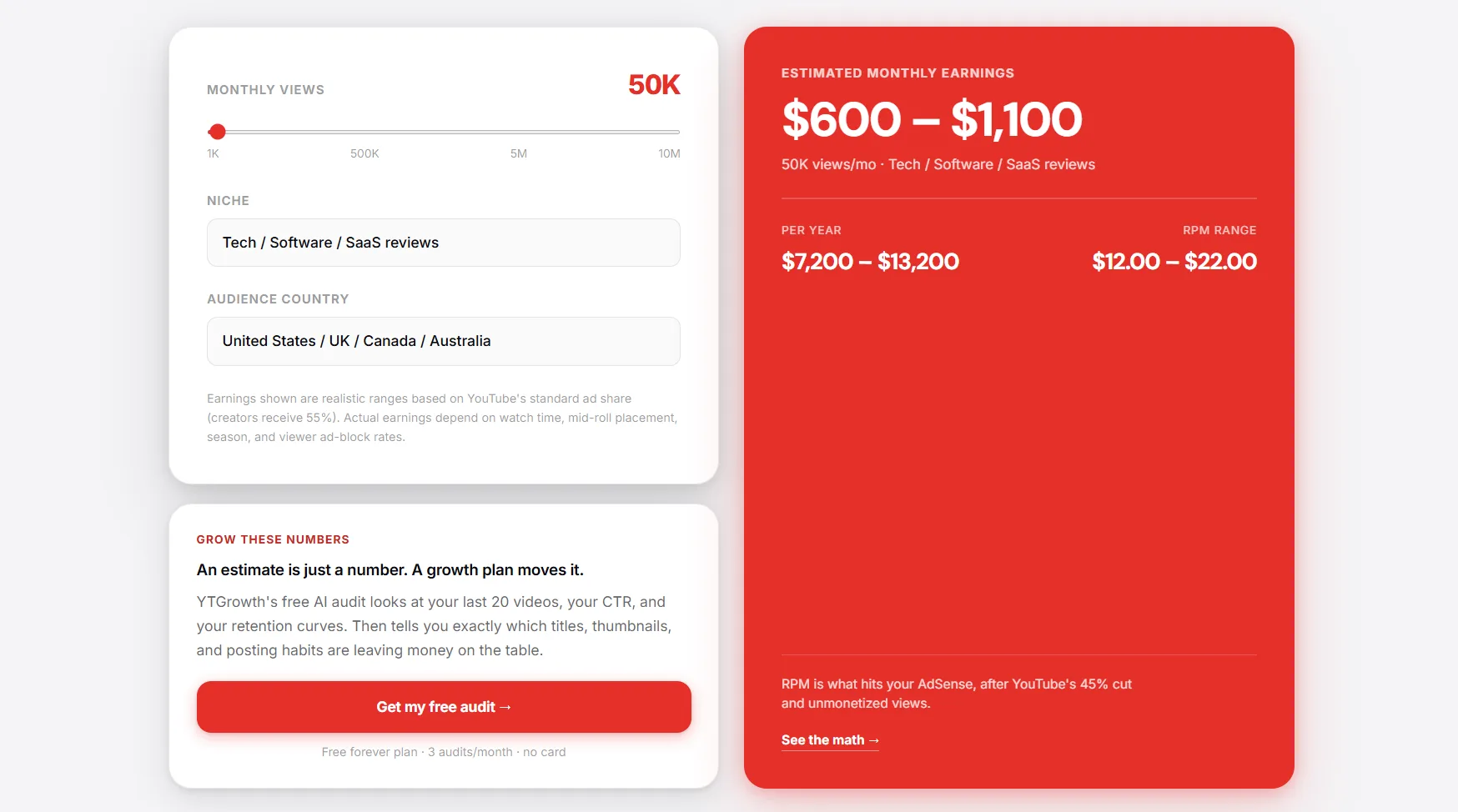
Two channels. One posts gaming content and earns $1.50 per 1,000 views. The other posts personal finance content and earns $22 per 1,000 views. Both put in the same hours. Scaled to 1 million views, that gap is the difference between a few thousand dollars and tens of thousands. The niche made the difference, because it sets the RPM advertisers will pay against your audience. Understanding CPM before you film your first video is one of the most important financial decisions you will make on your journey to figure out how to create a YouTube channel and make money.
CPM stands for Cost Per Mille, meaning what advertisers pay per 1,000 ad impressions on your content. The higher the CPM, the more revenue each view generates. Advertisers in industries like finance, software, and real estate pay significantly more because their customers are worth significantly more to them.
| Niche | Typical CPM | Why Advertisers Pay |
|---|---|---|
| Personal Finance / Investing | $15 to $30+ | High-value customers, large transaction sizes |
| SaaS / B2B Marketing | $12 to $25 | Software subscriptions, long customer lifetime value |
| Real Estate | $10 to $20 | High commission products, motivated buyers |
| Health and Wellness | $8 to $15 | Supplements, programs, recurring purchases |
| Gaming | $1 to $5 | Young audience, low purchase intent |
| Vlogs / Pranks | $1 to $3 | Broad, untargeted audience |
High-CPM Niches Worth Building Around
Personal finance, investing, SaaS tutorials, real estate, and B2B marketing consistently sit at the top of the high CPM niches list. These categories attract advertisers with large budgets and specific audiences, which drives CPM rates well above platform average.
Low-CPM Niches to Approach Carefully
Gaming, pranks, and general vlogging are not inherently bad content categories. They become problematic as a monetization strategy because the advertisers targeting those audiences have small budgets and low conversion intent, which keeps CPM rates at the bottom of the scale regardless of how many views a video earns.
Solving a Specific Problem
The highest-performing channels in any high CPM niches category share one trait. They solve a precise, high-value problem for a clearly defined audience. A channel about "investing for doctors in their 30s" will consistently outperform a general investing channel in both CPM and audience loyalty, because the specificity attracts both premium advertisers and deeply engaged viewers.
Step 2: Technical Setup and the 'Good Enough' Gear List
The technical barrier to starting a YouTube channel is smaller than the internet makes it look. Equipment anxiety keeps more creators on the sidelines than any other factor, and it is almost entirely unnecessary. The smartphone in your pocket is capable of producing content that ranks, converts, and generates income from day one.
Account Setup
- Create a dedicated Google account for the channel, separate from your personal Gmail.
- Set up your YouTube channel inside YouTube Studio.
- Complete your About section with a keyword-rich opening line.
- Upload a clean channel banner and profile icon that reflect your niche.
- Set your channel handle to match your brand name across all platforms.
The 'Good Enough' Gear List
- Smartphone (any model from the last four years). Your primary camera for the first 50 videos.
- Lavalier microphone ($30 to $50). The single most important equipment purchase you will make.
- Natural window light or a basic ring light ($20 to $40). Eliminates unflattering shadows.
- Free editing software (DaVinci Resolve or CapCut). Professional output at zero cost.
Takeaway: Audio is non-negotiable. Viewers will tolerate average video quality but they will click away within seconds of hearing poor audio. A $30 to $50 Lavalier microphone plugged into your smartphone delivers audio quality that a $2,000 camera cannot fix on its own. It is the highest-ROI purchase on this entire list.
Channel branding should be completed before the first upload. A consistent banner, a recognizable icon, and a keyword-optimized About section signal professionalism to both viewers and the algorithm, and they take less than two hours to set up correctly. The channel optimization blueprint walks through every channel-level setting in detail.
Step 3: Master the 70/30 Content Strategy
Going viral is not a strategy. It is a lottery ticket, and building a channel around it is the fastest path to burnout with no income to show for it. The creators who figure out how to start a YouTube channel and make money consistently are the ones who build their content calendar around search, not trends. The 70/30 rule gives every upload a clear purpose and every channel a stable foundation to grow from.
Search-Based Content (The 70%)
Search-based content answers specific questions that people are actively typing into the YouTube search bar. How-to videos, best-of comparisons, tutorials, and product reviews all fall into this category. These videos do not spike. They compound, accumulating views steadily over months and years because the search demand that drives them never disappears.
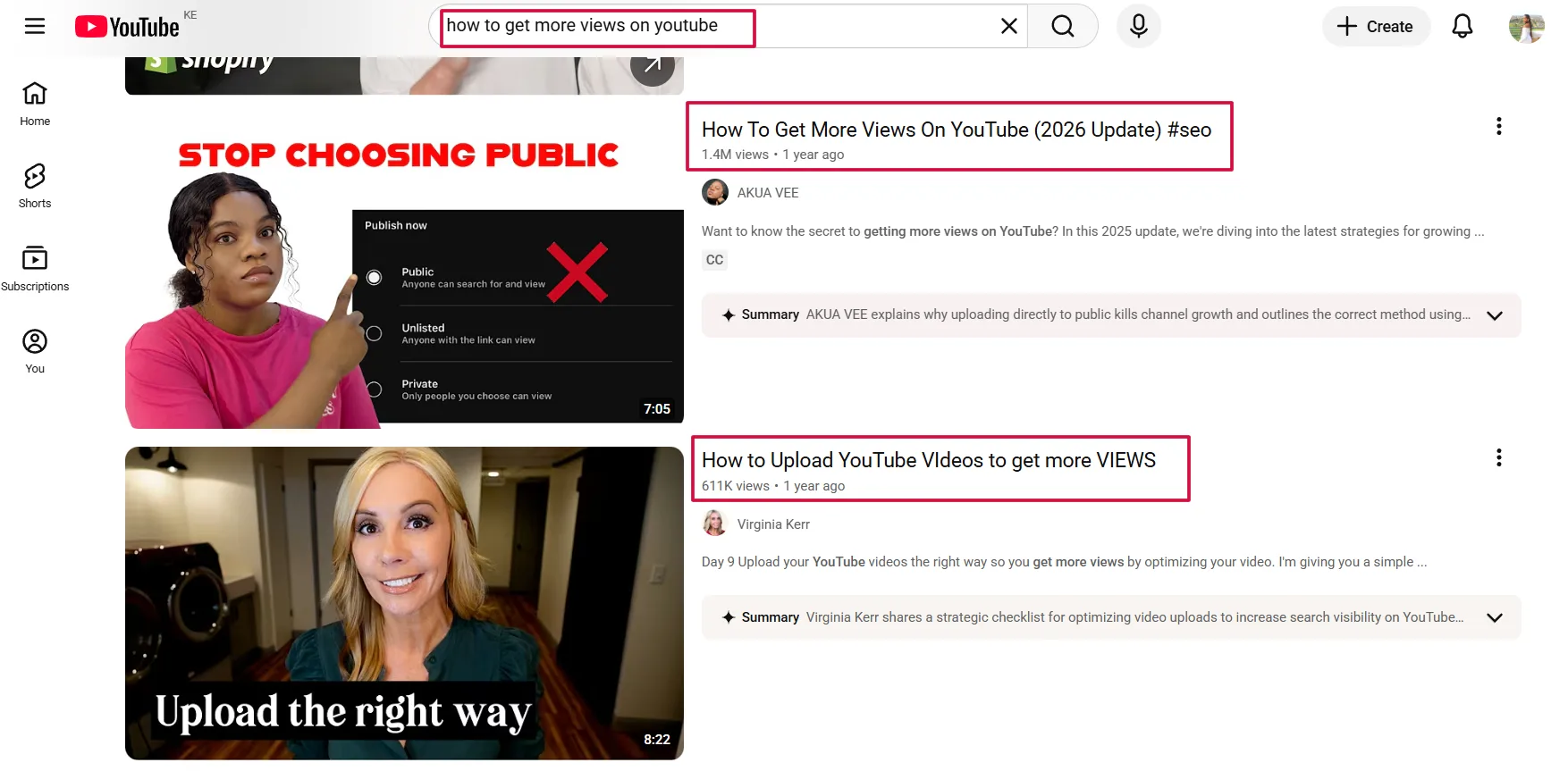
A channel built on 70% search content has predictable, recurring traffic that does not depend on the algorithm having a good day. Every video in this category is a long-term asset working in the background while new content gets published on top of it.
Browse-Based Content (The 30%)
Browse-based content is designed to be recommended rather than searched. It uses high-curiosity titles, open loops, and emotionally charged thumbnails to trigger the algorithm's suggested and homepage placements. This is where growth spurts come from, but it is unpredictable by nature and should never carry the weight of an entire content strategy. The 2026 YouTube algorithm guide breaks down exactly how Browse and Suggested decide what to recommend.
The 30% allocation keeps experimentation alive without risking the stability that search content provides.
The 70/30 Rule in Practice:
- 7 out of every 10 videos target a specific search query.
- 3 out of every 10 videos chase algorithm-driven browsing behavior.
- Both categories require a strong hook in the first 30 seconds to protect Average View Duration.
The hook is not optional. Viewers decide within the first 30 seconds whether to keep watching, and AVD is one of the heaviest ranking signals the algorithm uses to decide whether to keep distributing your content. The complete guide to scripting a video covers exactly what to say in those seconds.
Step 4: SEO for the Bot and the Human
Every video you upload needs to satisfy two audiences simultaneously. The algorithm decides whether to show it. The human decides whether to click it. Understanding how to set up monetization on YouTube as a long-term strategy means understanding that neither audience can be ignored, and the tactics that win each one are completely different. The 2026 YouTube SEO blueprint covers the technical side in full.
| Optimizing for the Bot | Optimizing for the Human |
|---|---|
| Primary keyword in the first sentence of the description | Emotionally compelling title that creates curiosity |
| Keyword in the video file name before uploading | High-contrast thumbnail with emotive face or bold visual |
| Timestamps and chapter markers for indexing | Maximum 3 to 4 words of thumbnail text |
| Tags that confirm your title and description signals | Power words in the title that trigger urgency or value |
| Manual .srt caption file for full transcript indexing | A hook in the first 30 seconds that validates the click |
CTR and AVD are the two metrics that connect both sides of this equation. CTR measures how well your packaging convinces the human to click. AVD measures how well your content convinces the algorithm you deserved that click. A high CTR with low AVD tells the algorithm your title overpromised and your content underdelivered.
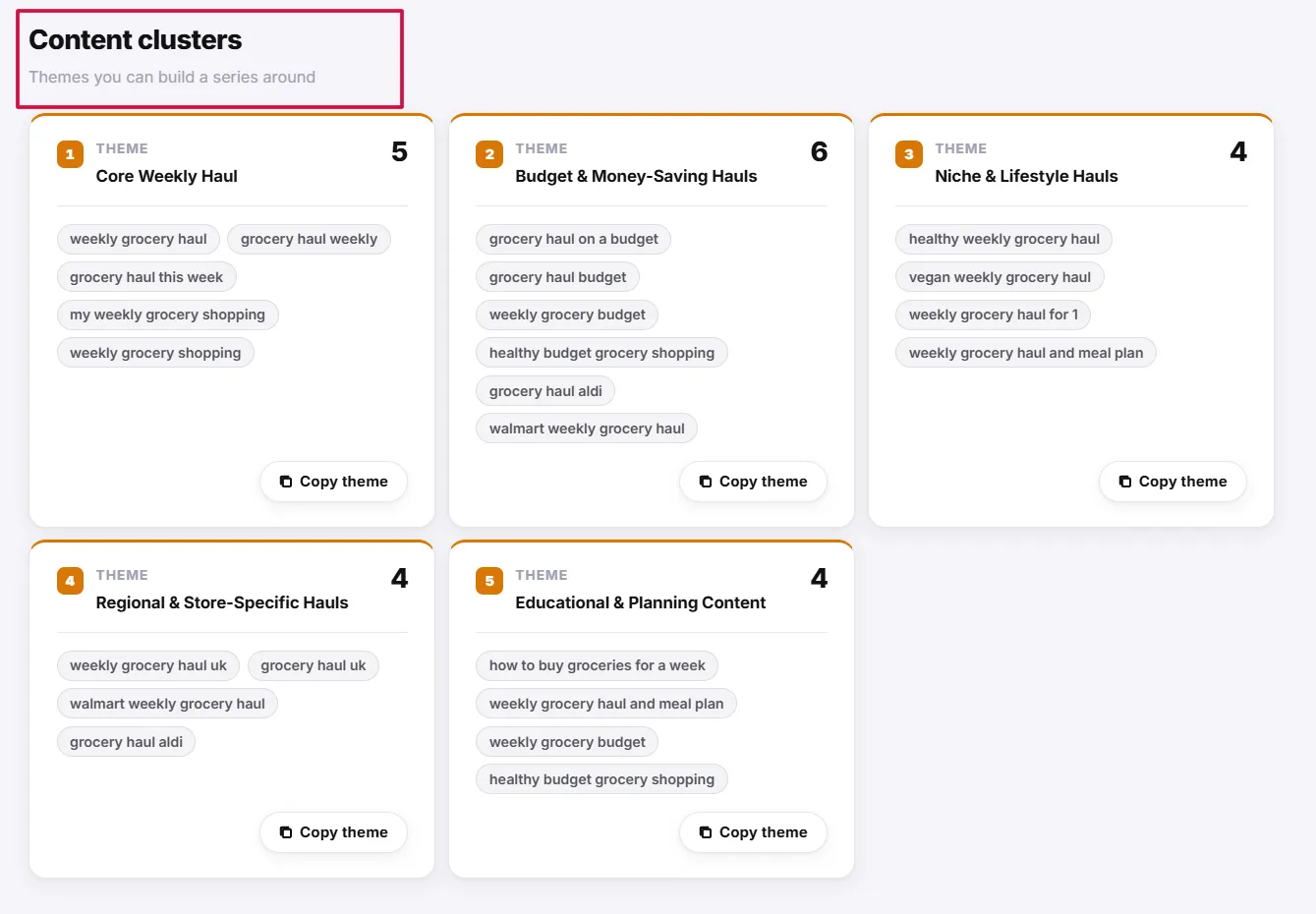
Tool Recommendation: YTGrowth's Keyword Explorer surfaces search volume, competition scores, and topic clusters specific to your niche. Use it to identify low-competition, high-intent keywords before scripting each video. Score the resulting titles against the live niche with SEO Studio before publishing.
Placing your primary keyword in the first sentence of the description and in the video file name before uploading are two of the simplest technical wins available, and among the most consistently overlooked steps in any serious how to create a YouTube channel and make money strategy.
Score every thumbnail against your top niche performersThumbnail IQ benchmarks contrast, composition, and emotional pull against the videos already winning Browse in your category. Free to try.Try Thumbnail IQ →Step 5: The Day 1 Monetization Roadmap
AdSense is the last revenue stream you should be waiting for, not the first. The YouTube partner program requirements of 1,000 subscribers and 4,000 watch hours exist as a gatekeeping threshold, and building a channel with no income until that threshold is crossed is a choice, not a requirement.
Creators who understand how to create a YouTube channel and make money from the beginning build multiple revenue streams in parallel, starting on the day they upload their first video.
Day 1: YouTube Affiliate Marketing
YouTube affiliate marketing is the fastest legitimate income stream available to a brand new channel. Pick two or three products directly relevant to your niche, sign up for their affiliate programs, and include your tracked links in every video description from upload one.
A channel with 200 subscribers and highly targeted content can generate affiliate commissions that a 10,000-subscriber general channel never will, because the audience intent is stronger.
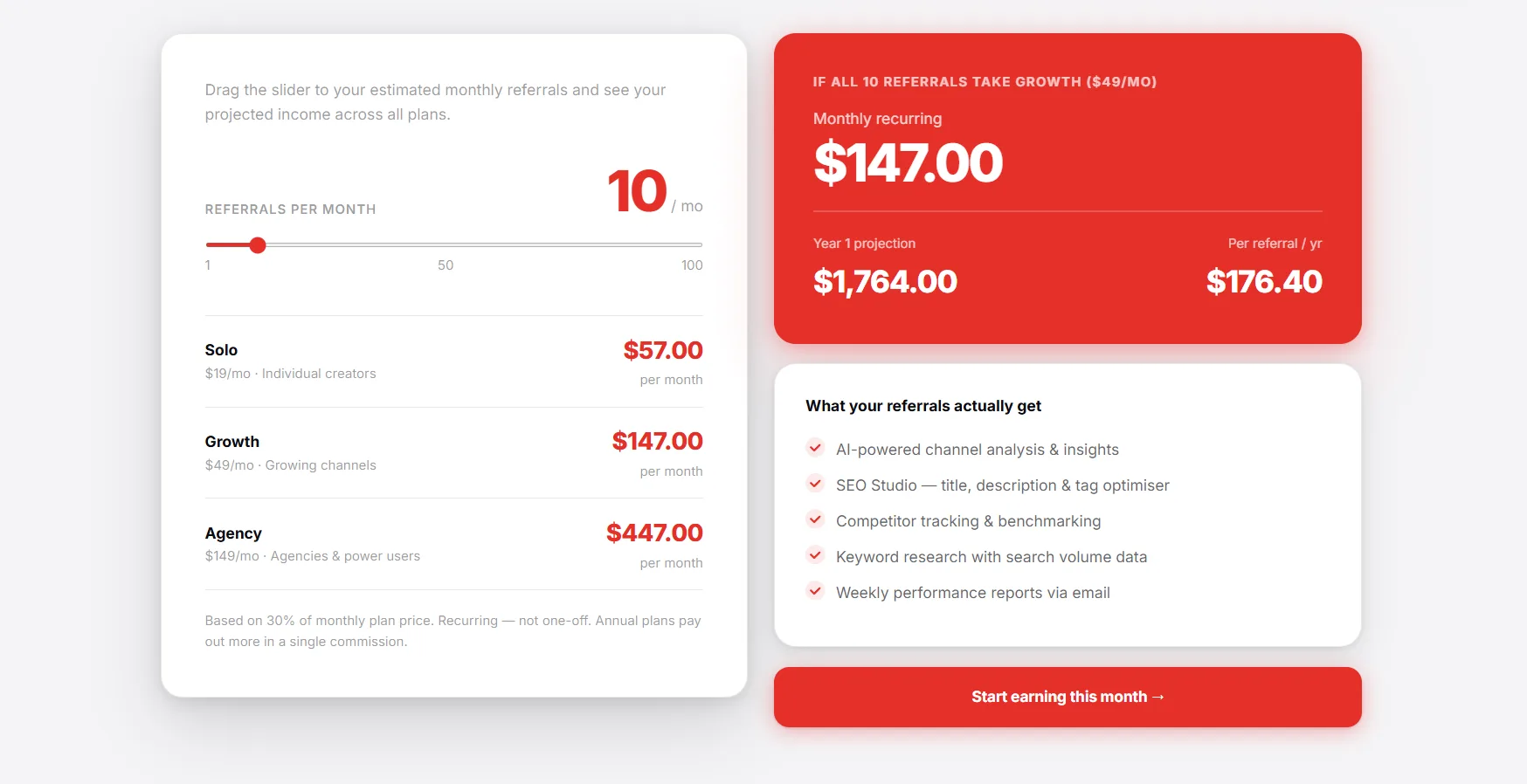
"I made my first income from YouTube at only 300 subscribers." Reddit, r/NewTubers
Niche specificity is what makes early YouTube affiliate marketing work. A personal finance channel recommending a budgeting app to an audience actively looking for financial tools converts at a far higher rate than a broad lifestyle channel dropping the same link. If you are still working toward your first 1,000 subscribers, this is the income stream that does not need to wait.
Day 30: Digital Products
A $20 to $47 digital product tied directly to your niche content is the next revenue layer to add. Templates, guides, checklists, and mini-courses solve the same problem your videos address, but in a format the viewer can keep and reference. The audience that trusts your free content is already primed to purchase something that goes deeper.
Day 180+: The YouTube Partner Program and Sponsorships
The YouTube partner program requirements are 1,000 subscribers and 4,000 watch hours within a 12-month period. Hitting those numbers unlocks AdSense, which adds a reliable passive income layer on top of the affiliate and digital product revenue already running. The full YouTube Partner Program guide walks through the application, eligibility checks, and revenue expectations once you cross the threshold.
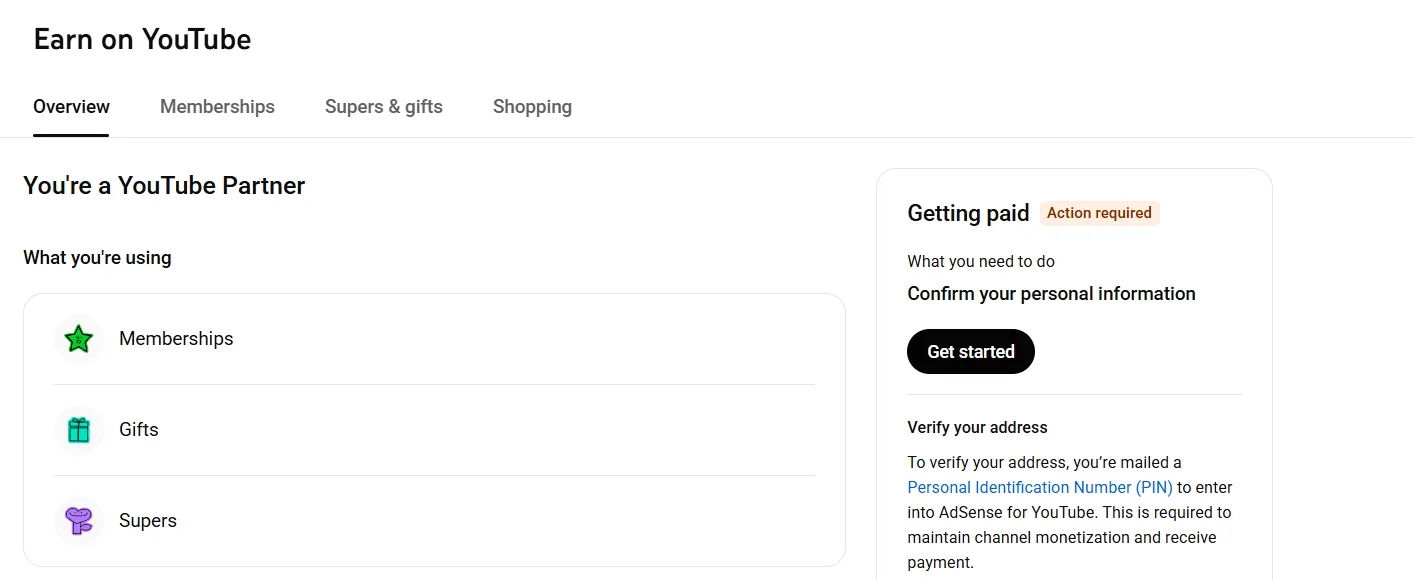
At around 5,000 engaged subscribers, direct brand sponsorships become a realistic conversation. Approach brands whose products you already use and reference in your content, lead with your audience demographics and engagement rate, and keep the pitch short and specific.
Conclusion: Your Path to 1,000 Subscribers and Beyond
The path to how to start a YouTube channel and make money starts with three decisions made before the first upload: choosing a high CPM niches category, committing to YouTube affiliate marketing from day one, and treating every video as a long-term business asset rather than a one-time shot at visibility.
The gear you already own is enough to start. The Rule of 100 is your commitment device. The niche you choose is your financial ceiling.
Start with what you have, optimize as you grow, and let every upload do the compounding work in the background while you focus on the next one. The channel growth playbook picks up from here once the monetization fundamentals are running.